What a Roll-Off Dumpster Is—and Why It Solves Real Problems Fast
A roll-off dumpster is a heavy-duty container delivered on a specialized truck and set on your property or jobsite for temporary debris storage. Its low, open-top design makes loading fast, while swinging doors at the back let you walk in heavier items. When your project wraps or the container is full, the provider hauls it away—no repeated trips to the landfill, no borrowed pickup trucks, and no risky piles of debris lingering in your driveway.
Across Missouri, these containers streamline everything from small weekend cleanouts to multi-week construction. For homeowners, a roll-off is ideal for garage and attic purges, basement cleanups, pre-listing decluttering, and storm or flood recovery. For remodelers and builders, it handles demolition debris, framing scraps, drywall, flooring, roofing shingles, and staging waste with minimal downtime. Landscapers rely on them for limbs, brush, and yard waste, while concrete and masonry crews use smaller, heavy-duty containers for dense materials like block, dirt, and rock.
Choosing the right size is key, and Missouri jobsites benefit from multiple options. A 10-yard container fits tight driveways and heavy debris like concrete. A 15-yard is a sweet spot for room remodels, small roofing jobs, and rental turnovers. For whole-home cleanouts, multi-room renovations, and siding or deck removals, 20- and 30-yard options shine. Large-scale demolitions and major commercial buildouts may call for a 40-yard container. The goal is to match your estimated volume and the material’s weight so you don’t pay more than you need to or risk overloading the container.
Convenience matters, but so does compliance. Each Missouri city and county sets rules for acceptable materials, disposal methods, and weight limits. Typical prohibited items include hazardous liquids, oils, batteries, and some electronics. Clean loads of concrete or yard waste may qualify for specialized pricing and recycling streams. Clear communication on what’s allowed protects you from extra fees and reduces environmental impact. With transparent pricing, a defined rental period, and straightforward pickup scheduling, a dumpster rental quickly becomes the simplest line item in your project plan.
Planning Your Dumpster Rental: Sizing, Placement, Permits, and Missouri-Specific Considerations
Good planning starts with sizing. Estimate debris by rooms, materials, and job duration. For example, a 20-yard container typically fits medium renovations and many roof tear-offs, while a 30-yard suits a whole-home refresh or major addition. Missouri roofers often plan by shingle squares: roughly 2–3 squares per cubic yard for asphalt, depending on tear-off layers and underlayment. Heavy debris shifts strategy—concrete, brick, and dirt are dense and usually require 10- or 15-yard containers to stay within legal road-weight limits while still providing enough capacity.
Placement should prioritize safety and efficiency. A flat driveway near the work area reduces hauling distance and limits property disruption. Protect surfaces with plywood under the container’s contact points when needed. Keep a clear path for the delivery truck—at least 50–60 feet of approach room is a common benchmark. Block low-hanging limbs or wires from the landing zone, and mark sprinkler heads or buried utilities. When loading, spread weight evenly, keep debris level with the top, and close the doors securely. Overfilling or letting materials protrude may delay pickup and add costs.
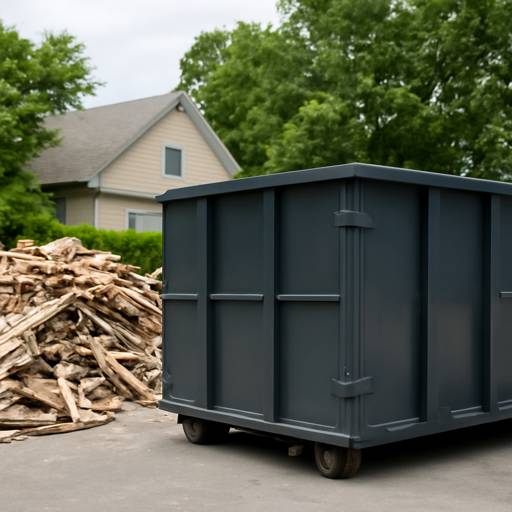
Permits are a local matter in Missouri. If you’ll place a dumpster on a public right-of-way—street, alley, or sidewalk—check city guidelines before delivery. St. Louis, Kansas City, Springfield, Columbia, and Jefferson City can have distinct requirements or time limits for street placement. Some neighborhoods and business districts enforce additional rules tied to pedestrian flow or event schedules. Private property often needs no permit, but certain HOAs require prior notice, set time windows for delivery, or restrict container size or appearance. Planning a few days ahead typically keeps you in the clear and prevents project pauses.
Schedule delivery to align with demolition or cleanup start times so the container doesn’t sit idle. Consider weather patterns—Missouri’s spring storms and winter cold snaps can affect scheduling and material handling. If rain is in the forecast, cover lightweight debris with a tarp to avoid water weight increasing disposal costs. Recycling is another smart step: separate clean concrete, metal, or yard waste when feasible. It reduces disposal volume and can unlock better pricing. When you’re ready, booking a roll off dumpster in advance ensures fast delivery, clear guidance on allowed items, and a simple pickup process so work never stalls.
Real-World Missouri Scenarios: How Roll-Off Dumpsters Keep Projects on Track
Consider a classic St. Louis brick bungalow getting a long-overdue basement cleanout. Cardboard boxes, broken shelving, outdated furniture, and old carpet can stack up fast. A 15-yard container usually handles this scope comfortably, fitting tight city driveways while offering enough space for a one- to two-day push. The homeowner loads heavier items first, walks them in through the back door for safety, then stacks lighter materials on top. With clear loading and an eye on the fill line, pickup happens the next morning—and the project moves straight to refinishing without a backlog of trash bags or repeat landfill runs.
In Kansas City, roofing crews often rely on 20-yard containers to match their tear-off pace. Asphalt shingles are deceptively heavy, and timing is everything. By placing the dumpster near the eaves, crews reduce carry distance and speed cleanup between tear-off and install. A simple plan to keep nails and underlayment layered uniformly inside the container prevents uneven loads that can cause delays at pickup. When storms roll through, covering the container overnight discourages waterlogged shingles that bump up disposal weight. The result: a tight schedule and no surprise tonnage fees at the end of the job.
Springfield homeowners tackling a kitchen remodel find a 20-yard option ideal for cabinets, countertops, drywall, and flooring. Phasing the demolition—uppers and trim first, then appliances and base cabinets—keeps the container organized and safe to load. If the project includes new tile and subfloor removal, heavier materials go in first for stability. When space gets tight, breaking down bulky items improves capacity. Clear communication on prohibited items (like wet paint or solvents) avoids headaches, and a mid-project swap-out prevents downtime if demo runs heavier than expected. The net effect is a cleaner work zone, faster turnaround, and no hidden costs.
Farther north in Columbia and Jefferson City, summer move-outs and rental turnovers create waves of furniture, bedding, small appliances, and general junk. A 30-yard container positioned in a shared lot or alley can support multiple units at once, cutting labor time across teams. Scheduling a short-term rental with weekend pickup syncs perfectly with tight leasing calendars. Operators who separate scrap metal or clean cardboard at the source often recoup time and fees later, since sorted materials are easier to divert from landfills. With consistent communication, property managers maintain tidy grounds and smoother transitions between tenants.
Across all these scenarios, a few best practices stand out. Start with an accurate project scope and choose the container size that matches the debris profile—not just the project’s footprint. Confirm local rules on public placement and line up permits if needed. Prepare the site for safe delivery and keep the loading area clear. Distribute weight evenly, respect the fill line, and avoid restricted items. When in doubt, ask for guidance on specific materials or mixed loads. By aligning these steps, Missourians—from homeowners to GCs—turn a messy, time-consuming challenge into a single, streamlined solution with a roll-off dumpster and a plan that fits the local playbook.

Harare jazz saxophonist turned Nairobi agri-tech evangelist. Julian’s articles hop from drone crop-mapping to Miles Davis deep dives, sprinkled with Shona proverbs. He restores vintage radios on weekends and mentors student coders in township hubs.